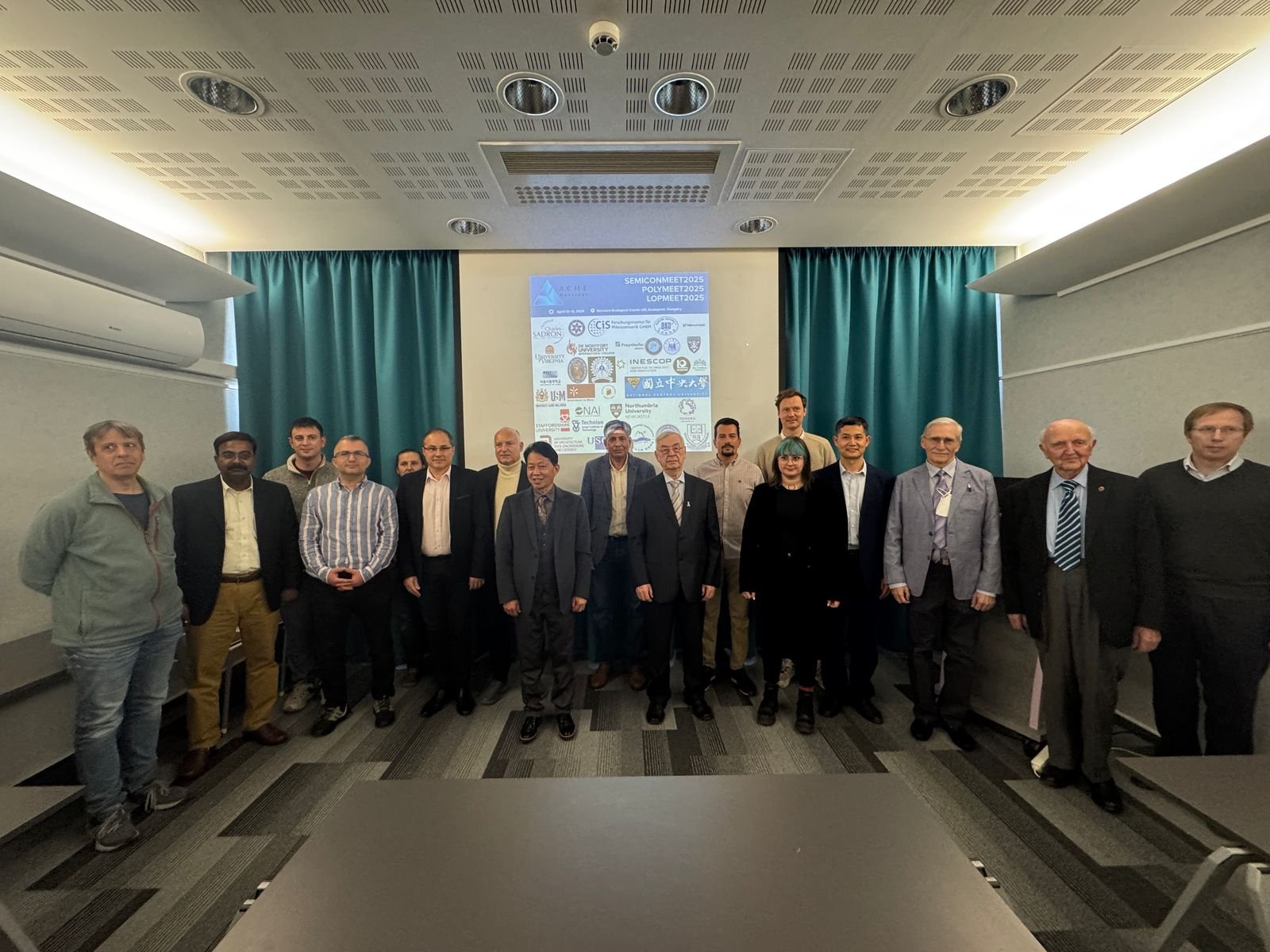
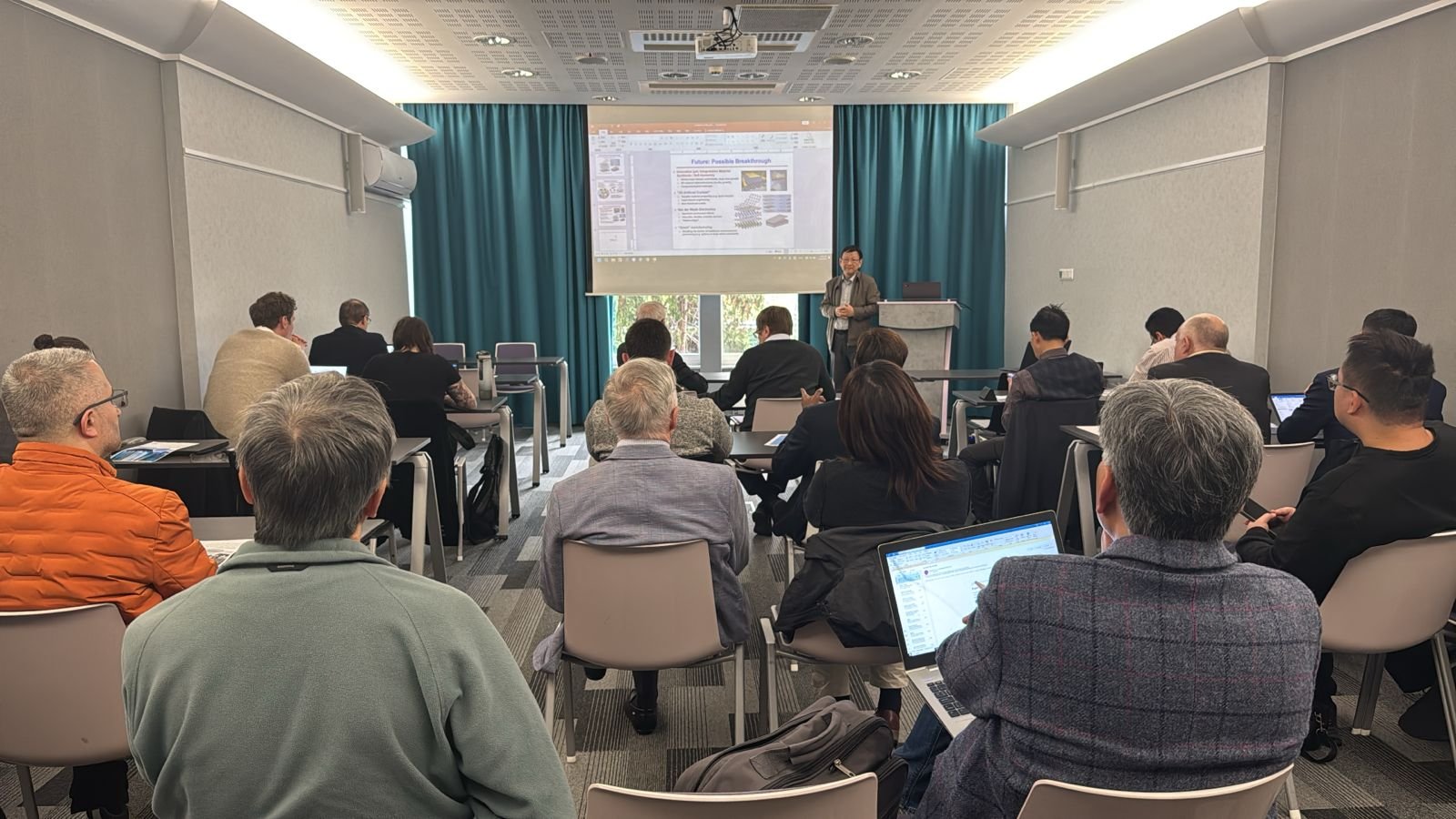
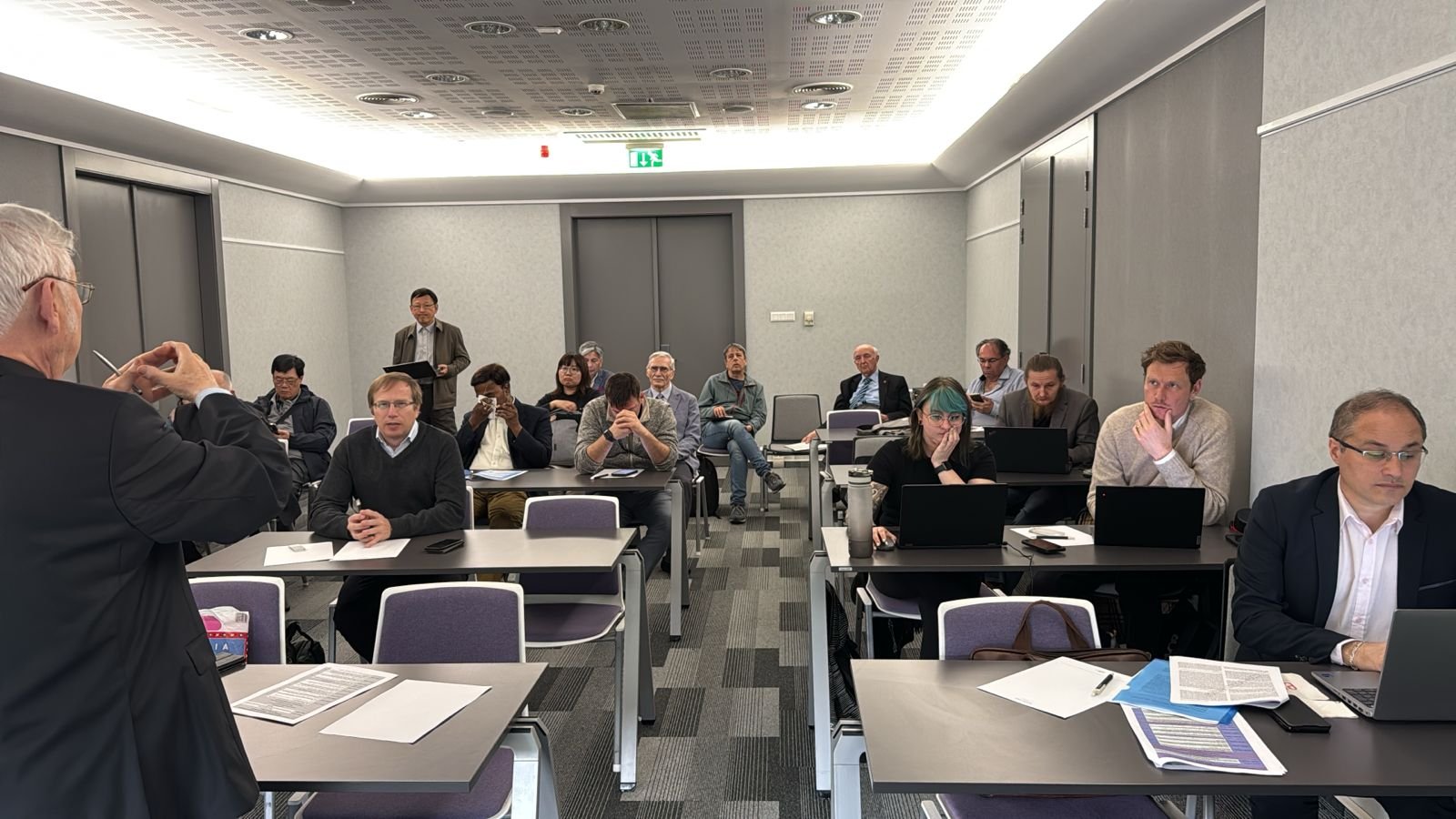
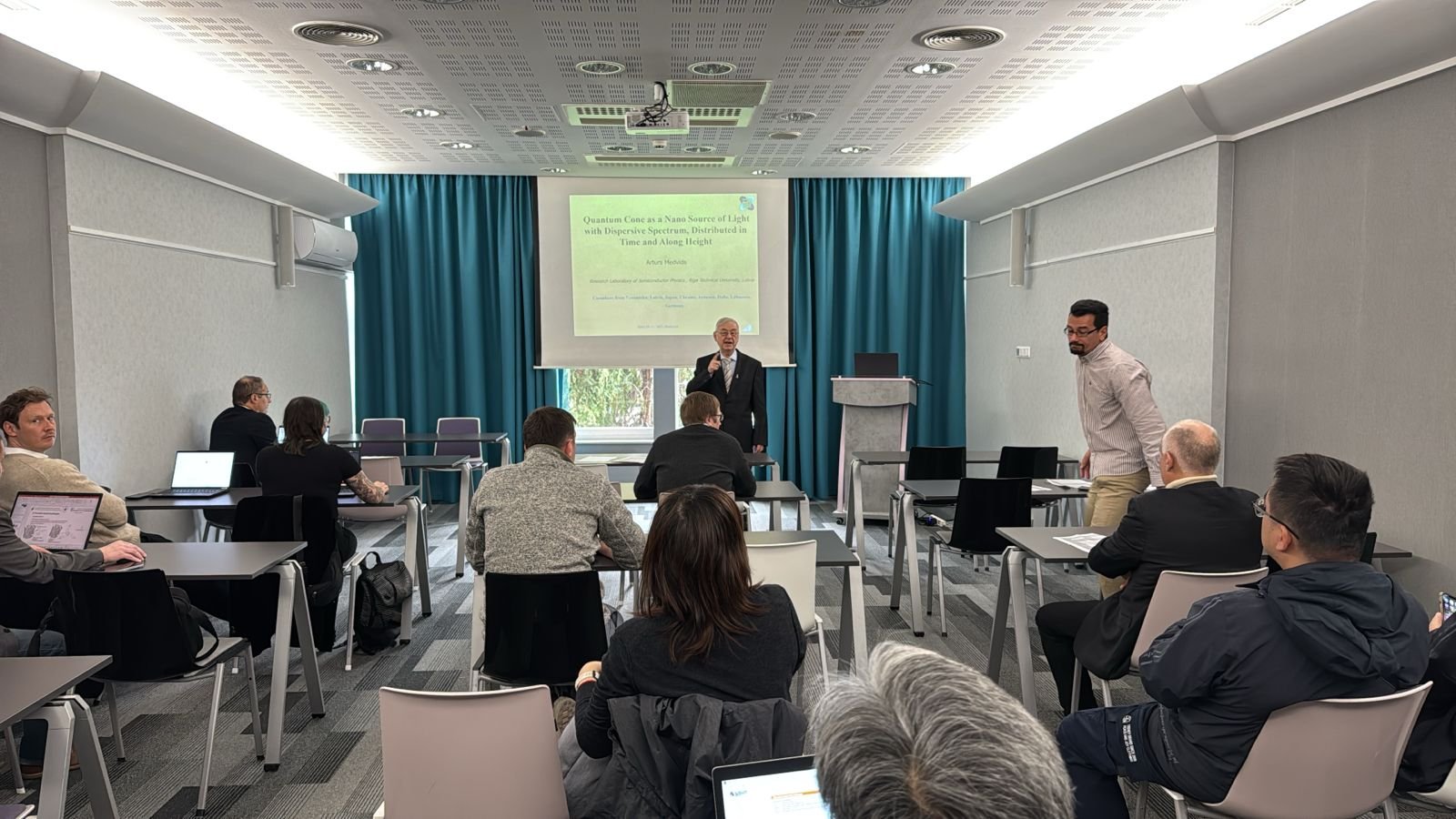
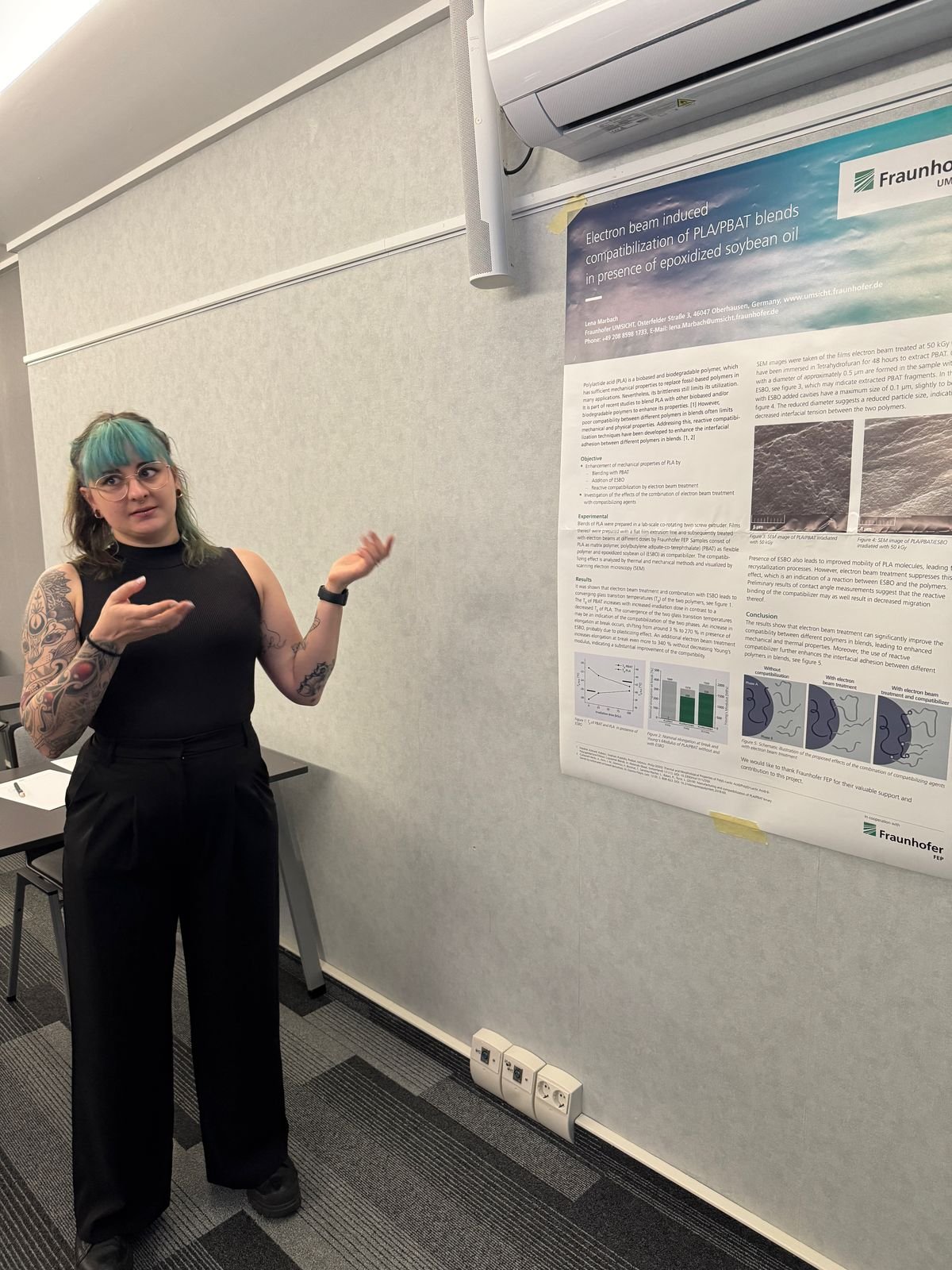
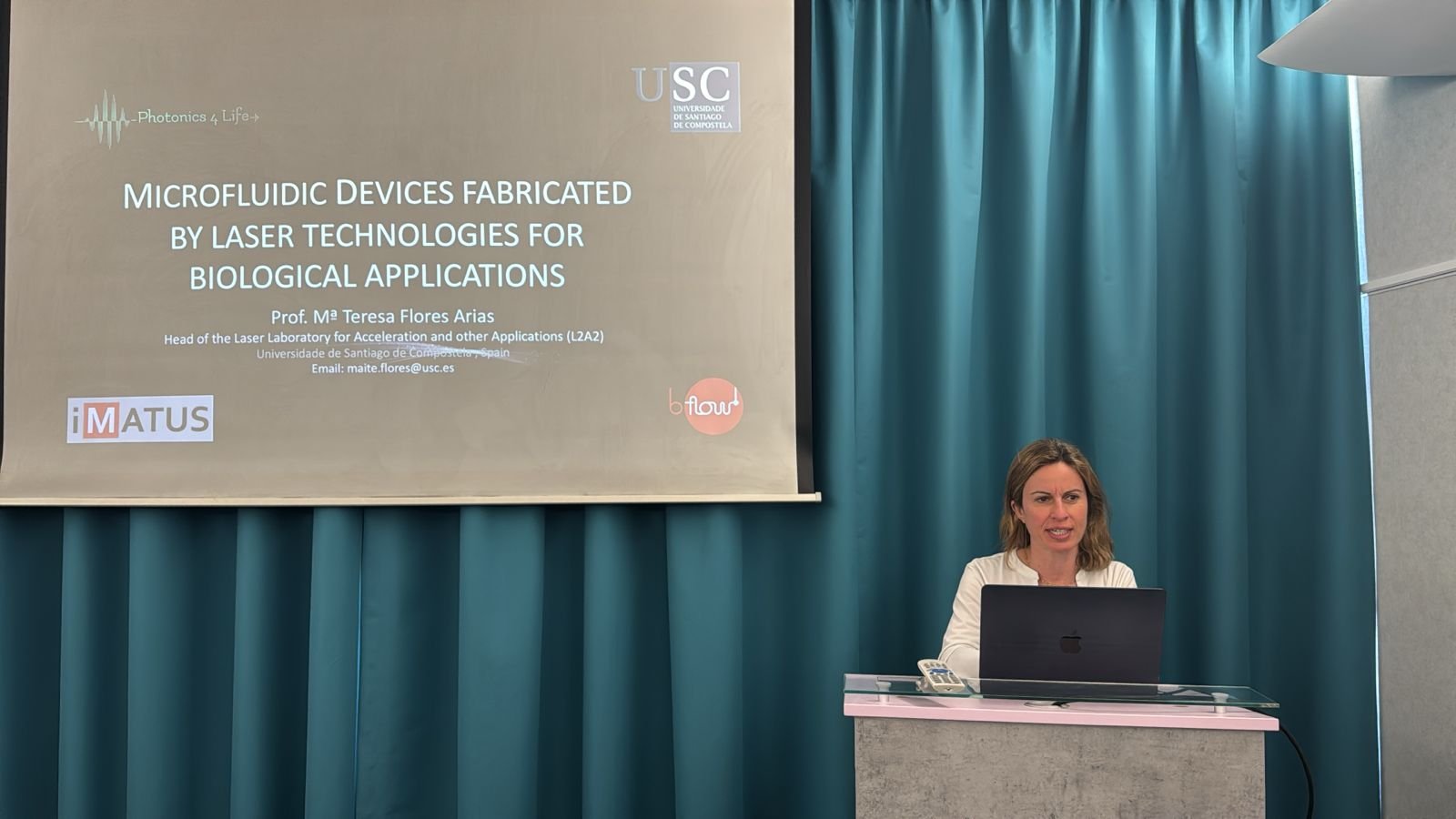
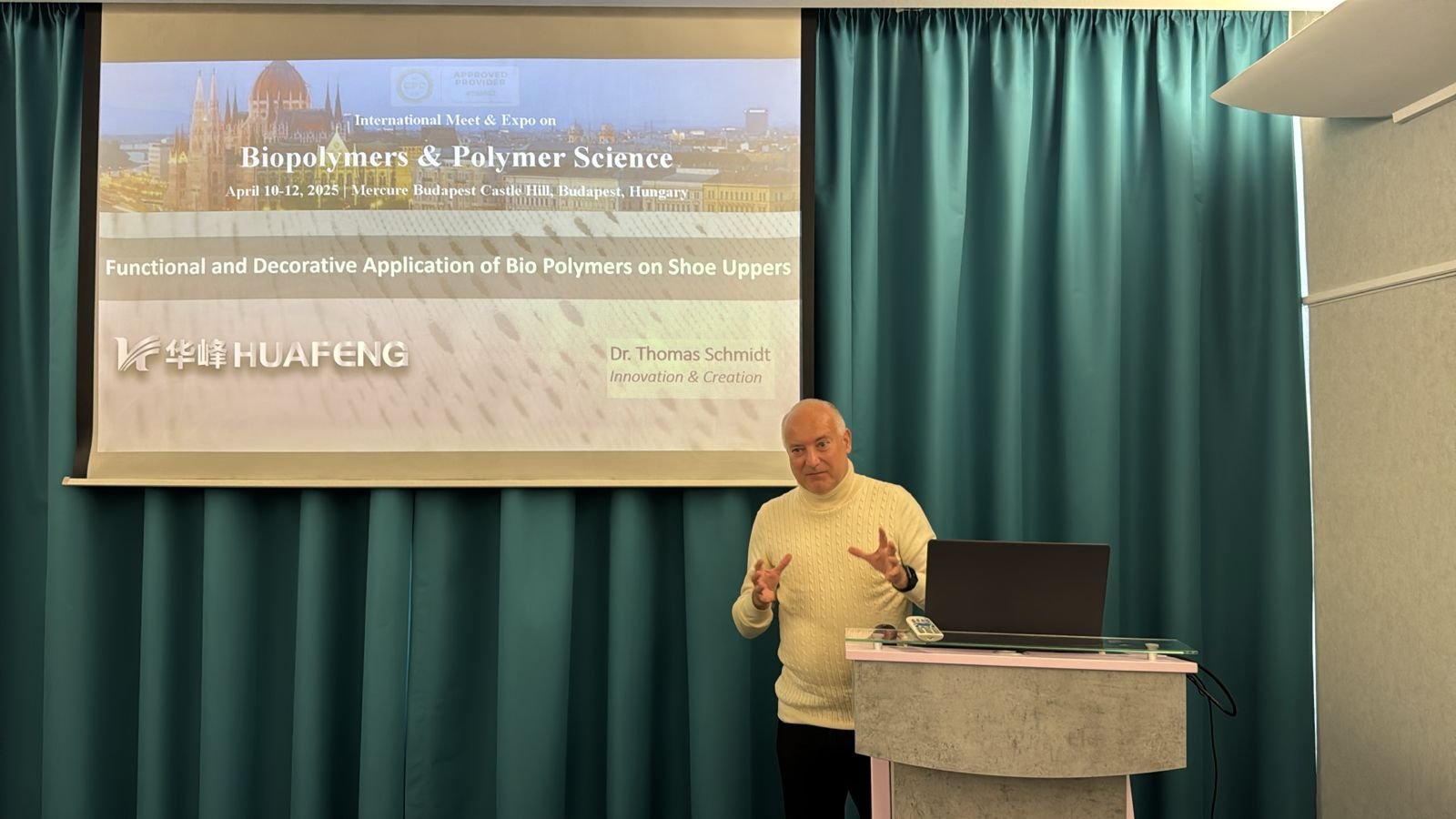
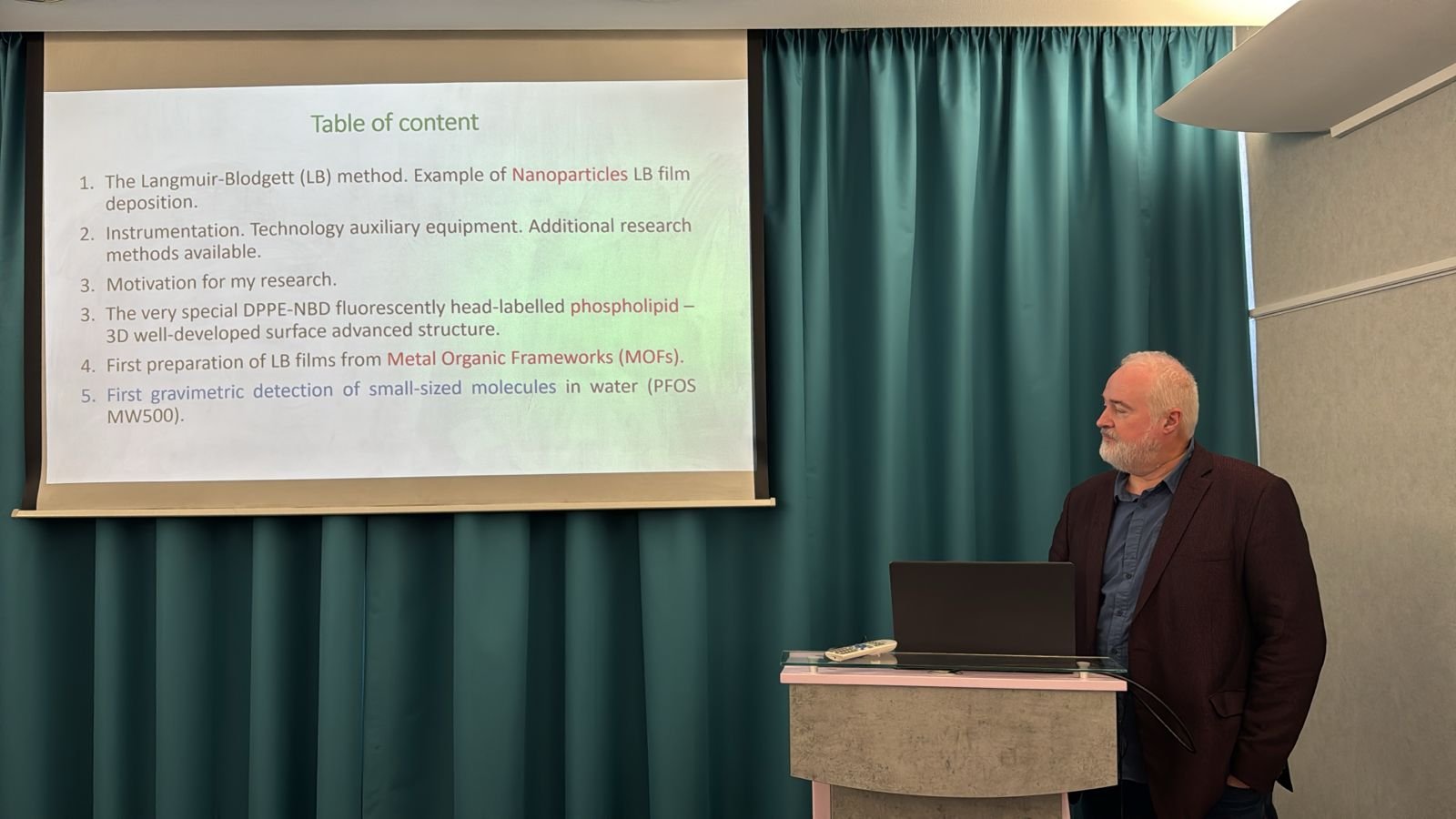
Thousands of international researchers, scientists and leaders will gather at the meeting.
Abstract Submission Deadline: January 31, 2026
EarlyBird Registration Deadline: January 31, 2026
College for Semiconductor and Advanced Technology
National Sun Yat-Sen University
Taiwan
Professor Arturs Medvids works at the Institute of Technical Physics of Riga Technical University. In 2001 and 2017, he worked as an invited professor at Shizuoka University. He was awarded the title of Honorable Guest Professor in 2009 - 2019. He has 623 publications. He has participated at the 12th International Conference on Solid Films and Surfaces, 2005, in Hamamatsu, Japan and the 1st Conference on Nanocomposites, 2009, in Kerala, India, and at the Energy Materials Nanotechnology East Meeting, 2014, in Beijing, and Keynote Speaker at the 19th Nano Congress for Next Generation, 2017, in Brussels. He got the IAAM Medal at the AMWC 2018 conference in Singapore.
Prof.dr Zewen LIU, he graduated from Physics department of University of Science and Technology of China and obtained a doctoral degree from Paris XI University (Now Université Paris-Saclay) in France. After return back to China in 1997, he worked on microelectronics process and devices in the Institute of Microelectronics (now the School of Integrated Circuits) at Tsinghua University.He has been engaged in integrated circuit technology, nanofabrication technology, MEMS and sensor research for a long time and make important contribution to photolithography technology, RF MEMS devices, silicon-based solid-state nanopores, and gallium nitride MEMS sensors and wonthe Best Paper Award of the China Electronics Society, the International IEEE Best Paper Nomination Award, as well as titles such as Suzhou Leading Talent, Tsinghua Excellent Teacher, and Excellent Doctoral Supervisor. He has published over 200 academic papers, applied for and obtained nearly 100 patent authorizations, translated two academic books, and contributed important chapters in two English works. He has visited European universities multiple times for academic exchanges and lectures, and has served as the executive chairman of the China Netherlands Semiconductor High level Talent Forum Summer School for several consecutive years.
Yuping Wu, second-class Professor, doctoral supervisor, Fellow of the Royal Society of Chemistry, Corresponding Member of the Saxony Academy of Sciences, Germany. In 1997, he graduated from the Institute of Chemistry, Chinese Academy of Sciences. After that, he worked at Tsinghua University, Waseda University in Japan, and Chemnitz University of Technology in Germany (Humboldt Scholar) for nearly two years each. He was appointed professor of Chemistry at Fudan University in 2003, Professor at Nanjing University of Technology in 2015, and joined Southeast University in October 2021. In 2004 and 2007, he was awarded the "Science and Technology Star" by the Shanghai Science and Technology Commission, and in 2014, he was awarded the National Outstanding Youth Fund. Published more than 410 academic papers, H-index 96; Wrote 9 monographs on lithium batteries, selling more than 50,000 copies; It has obtained 31 authorized invention patents in China, the United States and Japan. In 2014, he won the title of "National Outstanding Young Scientist", was selected as one of the "Global Highly cited scientists" for many times, and was named "the world's most influential scientific research elite" by Thomson Reuters from "Global Highly cited Scientists" in 2015. He is the editor-in-chief of Energy Materials, the associate editor of Energy & Enviromental Materials and the editorial board of several other publications. Mainly engaged in lithium-ion batteries and their key materials, supercapacitors, water batteries and other energy storage research and development work.
Tetsuya Yamamoto has been a full professor at Kochi University of Technology since 1999. He received his PhD in Physics from Osaka University in 1997. Since 2001, he has been a professor at Kochi University of Technology and the Director of the Materials Design Research Centre at the University Research Institute. His main research interests include: - materials design based on carrier transport theory and experimentation - control of n- and p-type conductivity based on his original co-doping theory using acceptors and donors - development of a DC arc plasma deposition system - development of devices using oxide semiconductors. Through his involvement in several national projects and promotion of joint development with industry, he has helped to patent and commercialise many products. He has chaired the organising committee, several international conferences on semiconductor films and organised numerous oxide symposia. In 2011, he received the Minister of Education, Culture, Sports, Science and Technology Award for his research on LCD TVs and photovoltaic solar cells using ZnO-based transparent electrodes.
Prof. HUANG Wei was born in Hebei province of China in May 1965. He is the member of Chinese Academy of Science and Asia Pacific Academy of Materials Science, the international member of Russian Academy of Science, ASEAN Academy of Engineering and Technology, Pakistani Academy of Sciences, the fellow of the Royal Society of Chemistry, UK, and is also the leading scientist in organic electronics and flexible electronics. He received the honorary doctorate from the University of Sheffield, and has been awarded by the National Science Fund for Distinguished Young Scholars, the Chief Scientist of National 973 Program, the Second Class Prize of the National Natural Science Award, and the Ho Leung Ho Lee Science and Technology Innovation Award.
Dr. Binita Tongbram serves as a DST INSPIRE Faculty in the Department of Physics at the Indian Institute of Science (IISc), Bengaluru, where she leads an independent research program at the forefront of III–V quantum-dot epitaxy, device physics, and atomic-scale microscopy. Her research primarily focuses on the engineering of strain-controlled InAs/GaAs quantum-dot heterostructures for applications in infrared photodetectors and telecom-band single-photon sources. This work is supported by advanced correlative characterization techniques, including Atom Probe Tomography (APT), Field Emission Gun Transmission Electron Microscopy (FEG-TEM/XTEM), and High-Resolution X-ray Diffraction/Rocking Curve Measurement (HRXRD/RSM). Dr. Tongbram earned her Ph.D. from IIT Bombay in 2018 and has published 42 peer-reviewed journal articles, achieving an h-index of 15. Notably, she has successfully reported defect-free, 30-layer quaternary-capped quantum dot heterostructures, demonstrating a peak detectivity of approximately 10¹¹ Jones. Additionally, she has trained and mentored over 10 Ph.D. researchers through various national facility platforms. Dr. Binita Tongbram is a DST INSPIRE Faculty (Government of India) in the Department of Physics at the Indian Institute of Science (IISc) in Bengaluru. She leads an independent research program focused on epitaxial quantum materials and nanoscale optoelectronics. Her work advances III–V InAs/GaAs quantum-dot heterostructures, evolving them from single layers to high-period, vertically coupled multi-stacks intended for high-performance infrared photodetectors (QDIPs) and telecom-band quantum light sources. A key aspect of her methodology is the tight integration of growth-physics design—such as molecular beam epitaxy (MBE) and strain-engineering—with atomic-to-device-scale validation techniques. She employs atom probe tomography (APT), field emission gun transmission electron microscopy (FEG-TEM/XTEM), high-resolution X-ray diffraction (HRXRD/RSM), and optical spectroscopy to accurately quantify composition, strain, and interface integrity. Dr. Tongbram earned her Ph.D. from IIT Bombay in 2018 and has established an impressive publication record, comprising 42 peer-reviewed papers with an h-index of 15. Her work has garnered significant international recognition, showcased through her presentations at esteemed conferences such as SPIE OPTO, MRS, EMC, and CSW. Her contributions have been acknowledged with several honors, including the Excellence in PhD Research award from IIT Bombay and the DST INSPIRE Faculty Award. In addition to her research, she is a seasoned facility mentor, having served as a system operator and trainer for TEM and HRXRD, and has successfully guided over 10 Ph.D. scholars in collaborative projects.
Institute of Advanced Technology
University of Science and Technology
China
Dr. Hakan Ates, Professor, was born in Ankara in 1971. He has been working for Gazi University, Department Metallurgical and Materials Engineering. He is an international welding engineer (IWE), and international welding inspector (comprehensive level IWI-C). He was also vice manager of the Gazi KABTEM application and research center. He has memberships to TPMA (Turkish Powder Metallurgy Association) and KATED (Welding Technology Society). In 2014-2015, he performed his postdoctoral studies on Silicon nanoparticles and silicon nanowires at UIUC. He worked as a researcher and executive in different projects. He has many papers on powder metallurgy and welding engineering and processes, additive manufacturing, nanomaterials, and thin films and so on.
Director
Institute of Nano Optoelectronics Research and Technology (INOR), Universiti Sains Malaysia (USM)
Malaysia
Associate Professor Ts. Dr. Mohd Zamir Pakhuruddin is currently the Director at the Institute of Nano Optoelectronics Research and Technology (INOR) and a lecturer at School of Physics, Universiti Sains Malaysia (USM). He graduated with BEng of Electrical Engineering from University of Sheffield, United Kingdom. He spent about 8 years in industry as a Senior Engineer of Photolithography and Sputtering (R&D) in SilTerra and Fuji Electric, Kulim Hi-Tech Park respectively. In 2012, he graduated with MSc of Physics at Universiti Sains Malaysia (USM), where he did his research on silicon thin-film solar cells on flexible substrates. In 2016, he obtained his PhD in Photovoltaic Engineering from University of New South Wales (UNSW), Australia, where he worked on the development of light-trapping schemes in e-beam evaporated laser-crystallised silicon thin-film solar cells on glass superstrates.
Wan Maryam Wan Ahmad Kamil is the Director at the Industry Network Office, Universiti Sains Malaysia (USM) tasks with managing networks and engagement between USM and the industry. Specifically for the next 5 years, a special focus is set on strengthening USM’s position within the semiconductor industry and preparing future ready talents in line with the National Semiconductor Strategy (NSS) under the National Industry Master Plan (NIMP 2030). Dr Wan Maryam is also an Associate Professor at the School of Physics, USM and prior to this was the head of Applied and Engineering Research Group. This group focus on the application of fundamental physics to explain and solve problems of applied physics and engineering physics for the development of new technologies. The main research includes semiconductor fabrication, sensors and actuators, thermal processes in device and packaging, digital image processing, optical and remote sensing technology and photonic devices, system and applications. Dr Wan Maryam obtained her PhD in Physics at The University of Nottingham, United Kingdom and continues to teach semiconductor physics and semiconductor devices at the School of Physics, USM, for Master of Science (MSc) Solid State Physics program. She is a professional Technologist (Ts.) in Nanotechnology awarded by Malaysian Board of Technologies (MBOT). She is also a certified trainer under HRD Corporation and has provide training related to laser interferometry to more than 50 managers and engineers at Keysight Technologies in 2023 and 2024. Dr Wan Maryam is currently focusing on sustainable semiconductor nano lasers from wide bandgap materials (ZnO, GaN, hBN) through nanotechnology.
Andy chairs the Semiconductor Expert Working Group for UKTIN and serves on the Government’s Semiconductor Advisory Panel. He is a highly regarded semiconductor expert, giving evidence to Parliamentary inquiries including the National Security and Investment Act and the select committee on semiconductors. He has also provided expert advice to the OECD Semiconductor Informal Exchange Network. Andy developed the business case and strategy for the Compound Semiconductor Applications Catapult, securing a £54m investment. He led the Catapult start-up from 2017, representing the Catapult during roundtable discussions with the Prime Minister. Andy has also represented the UK during high level semiconductor delegations to Taiwan, Hong Kong, India and the White House USA. Andy chairs the Advisory Board for the Photonics Innovation Centre at Southampton University (CORNERSTONE). He holds an Executive MBA from Glasgow University, a research doctorate from Strathclyde University and is a Fellow of the IET.
Sining Yun is a Professor in the School of Materials Science and Engineering, Xi'an University of Architecture and Technology, China. He obtained his PhD degree from Xi'an Jiaotong University in 2007 and was a postdoctoral fellow in Yonsei University (Korea). He is a visiting professor at the State Key Laboratory of Fine Chemicals (China), University of Reading (UK), and Prof. Michael Graetzel and Prof. Anders Hagfeldt's laboratory at EPFL (Switzerland). He is currently a Research Director and Group Leader of Functional Materials Laboratory and the Key Laboratory of Nanomaterials and Nanotechnology of Shaanxi Province (China). He is a author of more than 200 SCI-papers in internationally reputed peer review (ISI) journals, a reviewer and arbitral referee of more than 150 SCI-journals, a editor of 9 books and book chapters, several international editorial board members, and lead/guest/editors of several international journals, and Associate Editor of Energy Materials journal, several international advisory board members and chair/co-chair of several international conferences.
Jinshun Bi (IEEE Senior Member ) got his PhD from Chinese Academy of Sciences in 2008. He is now the Dean of School of Integrated Circuits in Guizhou Normal University in China . He is outstanding member of the Youth Innovation Promotion Association of the Chinese Academy of Sciences, distinguished expert of the Sichuan Thousand Talents Program, director of the Radiation Physics Branch of the Chinese Nuclear Society, secretary-general of the User Committee of the National Science Project "Space Environment Simulation and Research Infrastructure". He is served as adjunct professorship at Saskatchewan University, Xi'an Jiaotong University, Nankai University, Harbin Institute of Technology, Beijing Jiaotong University, Hubei University. His expertise and contributions are in the areas of reliability of semiconductor materials and microelectronics devices, emerging memory technology, micro-nano sensor, radiation effects and hardening on semiconductor devices and integrated circuits. He has presided over more than 10 key national research and development projects. He has published over 200 academic papers, 4 books and held more than 100 patents.
Dr. Jorge Roberto Oliva UC is currently a member of SNI level 2. He has been the leader of one international UC-MEXUS project, which was carried out in collaboration with Prof. Qibing Pei at UCLA during 2018 to 2022. Currently Prof. Oliva is responsible of one project with the industry, which consists in the development of new types of eco-friendly electrolytes for industrial batteries. Among other academic achievements, he has been guest editor of Elsevier's "material letters" journal in 2021. He has been invited to be guest editor for "coatings" journal (MDPI) from 2022 to 2024. Prof. Oliva was the main organizer of the international congress "2020 Express Conference on the Physics of Materials and its application in Energy and Environment". He has also been organizing committee for science fairs in the state of Coahuila (physics experiments and rocket launch contest) from 2020 to 2024. Dr. Oliva has also been invited as an international reviewer for research projects in Poland (2021), Argentina (2021) and Switzerland (2022). He has received state awards from COPOCYT located in San Luis Potosí as well as the national award named CATEDRA MARCOS MOSHINSKY from UNAM. He has published +180 articles and have +3000 citations.
JinpengXu is an Assistant Researcher at the Institute of Physics, Henan Academy of Sciences. He received his Ph.D. from Northwestern Polytechnical University. His research focuses on the principles, devices, and applications of photodetection, silicon-based on-chip integration, and flexible wearable sensing. Dr. Xu specializes in developing high-performance optoelectronic devices based on two-dimensional (2D) materials. His recent innovations include a high-performance linear-response WSe2 photodetector with a vertical dual-gate structure, a broadband linear heterojunction photodiode utilizing a floating gate design, and silicon-integrated MoS2 devices for infrared detection and sensing-storage-computing integration. He actively explores the application of these devices in imaging, image recognition, and neural networks. He presides over 3 provincial and ministerial-level natural science foundation projects. He has published more than 10 papers in internationally renowned journals such as Adv. Mater., Adv. Funct. Mater., Mater. Today, and ACS Photonics, which have been cited more than 260 times with an h-index of 10.
Suzhou Institute of Nano-Tech and Nano-Bionics
Chinese Academy of Sciences
China
Deputy Director, Researcher, Doctoral Supervisor, and recipient of the State Council Special Government Allowance. He received his Ph.D. in Chemistry from Tsinghua University in 2000. From March 2001 to December 2007, he conducted research on the preparation and application of carbon nanotubes as a postdoctoral fellow and assistant researcher at the Department of Chemistry, Peking University, the Department of Materials Science, University of Cambridge, and Los Alamos National Laboratory, USA. He returned to China at the end of 2007 and joined the Suzhou Institute of Nano-Tech and Nano-Bionics. Currently, my research focuses on the precise fabrication of semiconductor carbon nanotubes and carbon-based electronic devices, the preparation and processing of macroscopic carbon nanotube assemblies, and functional composite materials. I have published over 280 academic papers in renowned international journals such as Nature, Nature Materials, Nature Nanotech, Advance Materials, JACS, ACS Nano, and Small, with over 10,000 citations, and have been granted over 50 invention patents. I serve as an editor or editorial board member for internationally renowned journals such as Mater. Sci. Eng. R Rep., Carbon, and Adv. Electron. Mater. He has received numerous awards and honors, including the first-level talent training program of Jiangsu Province's "333 Project" (2018), the third prize of Jiangsu Provincial Science and Technology Progress Award (2014), the Leading Talent of Suzhou Industrial Park (2011), the Jiangsu Provincial Innovation and Entrepreneurship Talent Award (2009), and the Chinese Academy of Sciences Talent Program. He has presided over and participated in major projects such as the Ministry of Science and Technology's Nanotechnology Special Project and Achievement Transformation Project, the National Natural Science Foundation of China's General Program, the Chinese Academy of Sciences' Key Deployment Project, and Jiangsu Province's Key Achievement Transformation Project.
Dr. Ritu Raj Lamsal is an academic and engineer. An alumnus of the University of Málaga, Spain, where he earned his PhD, he holds an M.Tech in VLSI Design and a B.E. in Electronics and Communication Engineering. His research focuses on the Internet of Things, wireless sensor networks, and digital agriculture. He currently contributes his expertise as a faculty member at Madan Bhandari University of Science and Technology, Nepal . He is also a Fellow of the Institution of Engineers, India.
Prof. S K Saha is currently working as a full professor in the Academy of Innovative Semiconductor and Sustainable Manufacturing (AISSM), National Cheng Kung University, Taiwan. Before joining AISSM, he has served over 30 years in different Universities in India and finally as the Chairman of the School of Materials Science, Indian Association for the Cultivation of Science, Kolkata. After finishing his B.S and M.S degrees from Calcutta University, he persuaded his Ph D from Indian Association for the Cultivation of Science, Kolkata, in the year 1994. He is the recipient of MRSI medal offered by the Materials Research Society of India. He has become the Fellow of the Institute of Physics (Finst, UK) and West Bengal Academy of Science & Technology, India. He has visited several universities in USA, Japan and many others as visiting professor.
Kuala Lumpur is a dynamic metropolis where iconic landmarks like the Petronas Twin Towers and KL Tower dominate the skyline, while historic sites such as Merdeka Square and Sultan Abdul Samad Building reflect the city’s colonial past. The city’s rich cultural diversity shines through at Batu Caves, Thean Hou Temple, and the Islamic Arts Museum, while bustling markets like Petaling Street (Chinatown) and Central Market offer a taste of local life. For nature lovers, Perdana Botanical Gardens and KL Forest Eco Park provide green escapes amidst the urban landscape. Meanwhile, the city’s vibrant nightlife at TREC KL, rooftop bars like Heli Lounge, and the famous street food scene at Jalan Alor ensure that there’s always something exciting to experience in Malaysia’s capital.